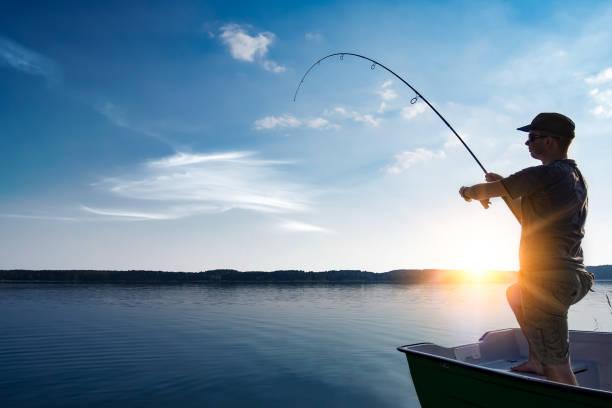
The joy of fishing goes beyond the catch—it’s about finding the perfect spot. Knowing where to cast your line can make all the difference between a productive outing and a slow day on the water. Whether you’re new to fishing or an experienced angler, finding a good fishing spot is an essential skill.
Know Your Target
Start by identifying the fish species you’re after. Each type has specific habits, habitats, and feeding patterns. Bass prefer areas with structure, like submerged logs or rocks. Trout favor cool, clear waters with good oxygen flow.
Knowing your target fish helps narrow your search. Check local resources or ask at a bait shop to learn what species are active in your area.
Scout the Water
Pay attention to water features when scouting a location. Look for areas where fast water meets slow water in rivers—these are great ambush spots for fish. In lakes, focus on drop-offs, underwater ledges, and weed beds.
Water clarity matters too. Clear water often means fish are more alert and harder to catch. Murky water can make fish bolder and easier to approach.
Use Technology
Modern technology can simplify finding a good fishing spot. Tools like fish finders and sonar devices help identify underwater structures and schools of fish. Apps and online maps can also highlight popular fishing spots near you.
But don’t rely on gadgets alone. Observing the environment and using your instincts are just as important.
Watch for Wildlife
Birds can be your best allies. If you see seagulls or other waterfowl diving, chances are there’s baitfish below—and predatory fish not far behind.
Look for turtles, frogs, or insects too. Active ecosystems mean healthy fish populations.
Timing Is Everything
The time of day and season play significant roles in fishing success. Early morning and late evening are prime times, as fish are more likely to feed during these cooler, low-light hours.
Seasonally, spring and fall tend to be the best for most freshwater species. Adjust your approach based on the weather and water conditions.
Check the Tides
For saltwater anglers, tidal movement is critical. Incoming tides bring nutrients and baitfish closer to shore, attracting larger fish. Study a tide chart before planning your trip.
Ask Around
Local knowledge is invaluable. Talk to other anglers, park rangers, or employees at outdoor stores. They can share insights about the best spots and what’s biting.
Fishing forums and social media groups are also excellent resources. Just remember to respect the community—don’t overfish or publicize private spots without permission.
Test and Learn
Sometimes, finding a good fishing spot means trying a few and learning from the experience. Cast your line in different areas and pay attention to what works. Keep a log of successful spots, including details like weather, bait used, and time of day.
Be Patient
Fishing requires patience—not just while waiting for a bite, but also while finding the right location. Stay observant, experiment, and enjoy the process.
It’s About More Than the Catch
Finding a good fishing spot is as rewarding as the fish itself. It’s a mix of science, art, and adventure. Whether you’re scanning the water for signs of life or chatting with fellow anglers for tips, the journey to your next great catch is half the fun.