When you’re out in nature, finding ways to keep your tent cool without electricity can be a rewarding challenge. By selecting a campsite wisely and utilizing natural elements, you can create a comfortable retreat from the heat. Embracing traditional techniques not only connects you to the environment but also enhances your camping experience. Discover how these natural cooling methods can transform your outdoor adventure into a revitalizing escape from the summer sun.
Choosing the Right Campsite Location
When you’re selecting a campsite, consider the natural environment around you, as it can greatly impact your tent’s cooling. Look for a location that’s elevated, as cooler air settles in lower areas.
Traditional campers often sought spots near flowing water; the breeze from rivers or streams can create a revitalizing atmosphere. Avoid areas with heavy brush or dense foliage, which can trap heat.
Instead, opt for small clearings surrounded by trees, allowing for airflow while providing some shelter from the sun. Pay attention to the direction of the wind; positioning your tent to catch breezes can enhance cooling.
Utilizing Natural Shade
Finding a spot with natural shade can greatly enhance your tent’s cooling effect. Look for areas beneath tall trees or alongside rocky outcrops, where the sun’s harsh rays are filtered.
Cultures around the world have long recognized the importance of shade; like the native peoples who strategically camped near groves. Setting up your tent under a canopy of leaves not only provides respite but also connects you to nature’s rhythm.
Consider the angle of the sun throughout the day; positioning your tent to maximize shade during peak hours is key. Acknowledging the environment and working with it can create a cooler, more comfortable space, allowing you to enjoy the serenity of the outdoors without the intrusion of heat.
Ventilation Techniques for Your Tent
As you set up your tent in the great outdoors, effective ventilation becomes essential to maintain a comfortable interior, especially on warm days.
Start by orienting your tent to catch the breeze, positioning the entrance away from the wind’s direct path. Utilize mesh windows to allow airflow while keeping bugs out, a technique used by generations of campers.
You can also create cross-ventilation by opening windows on opposite sides, encouraging a revitalizing draft. Hanging damp cloths or bandanas inside can cool the air naturally as they evaporate.
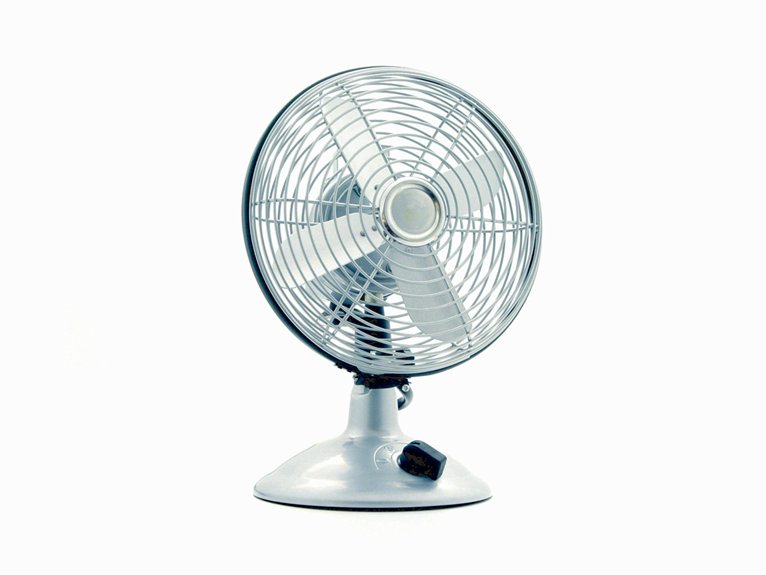
Finally, consider using a solar-powered fan if you have one on hand; it’s a modern twist on traditional methods that can enhance your tent’s airflow, keeping you cool and revitalized amidst nature’s beauty.
Ground Insulation Methods
While you might think of your tent as a cozy refuge, the ground beneath it can greatly affect your comfort level, especially during chilly nights or sweltering days. To create a natural barrier, consider using layers of leaves, pine needles, or grass. These materials insulate your tent from the cold and keep it cooler during heat waves.
You can also gather flat stones or logs to form a perimeter, helping to reflect heat away. In many cultures, people have long relied on these earthy materials for insulation.
Using Wet Cloths for Evaporative Cooling
When the sun blazes overhead, a simple yet effective way to cool down is by using wet cloths for evaporative cooling. This age-old technique draws on nature’s principles, where moisture absorbs heat as it evaporates.
To start, wet a cloth in cool water and drape it over your neck or shoulders. You’ll instantly feel relief as the water evaporates, drawing heat away from your body.
You can also hang damp cloths near your tent entrance; as the air passes through, it cools down before entering.
In many cultures, this method’s been passed down through generations, showcasing our connection to the environment. Embrace this traditional technique, and you’ll stay comfortable even on the hottest days.
Creating Airflow With a DIY Fan
To keep your tent cool, creating airflow with a DIY fan can be a game-changer in the heat.
By harnessing natural materials, you can fashion a simple fan that mimics traditional techniques used by many cultures. Grab a sturdy branch and a few palm leaves, or even a piece of cardboard.
Attach the leaves or cardboard to the end of the branch, allowing them to catch the breeze. Position your fan near an entrance or opening, directing it inward to draw fresh air.
If you’re near a water source, try placing a bowl of cool water in front of your fan; it’ll enhance the airflow with a revitalizing mist.
This blend of nature and ingenuity will help you combat the heat effortlessly.
Choosing Light-Colored Tent Fabrics
Choosing light-colored tent fabrics can greatly influence your comfort in warmer climates, as lighter shades reflect sunlight rather than absorb it. Traditional nomadic cultures often used natural materials in pale hues to stay cool under the sun. By selecting fabrics like beige, white, or pastels, you harness this age-old wisdom, keeping your tent’s interior cooler during sweltering days.
Think of how the indigenous peoples used light-woven textiles to create shade, blending seamlessly into their surroundings.
You’re not just choosing a tent; you’re embracing a connection to nature and heritage. As you plan your outdoor adventure, remember that the right fabric choice can enhance your experience, allowing you to immerse yourself in the beauty of the outdoors without the discomfort of heat.
Staying Hydrated to Regulate Body Temperature
While you’re enjoying the great outdoors, staying hydrated becomes essential for keeping your body temperature in check. Traditional cultures often emphasize the importance of drinking water from natural sources, like rivers or streams, believing it connects you to the earth.
Carry a reusable water bottle to sip throughout the day, especially during the hottest hours. You might also try infusing your water with local herbs or fruits—this not only enhances flavor but also adds natural nutrients to keep your energy up.
When you’re well-hydrated, your body can effectively regulate its temperature, allowing you to embrace the beauty of nature without discomfort. So, remember to drink often, and let the invigorating waters nourish both your body and spirit.
Incorporating Plants and Greenery
As you stay hydrated and connect with nature, consider bringing some greenery into your tent setup. Plants like ferns and peace lilies not only purify the air but also release moisture, creating a natural cooling effect.
Incorporating local flora can enhance your camping experience, deepening your connection to the environment.
Try hanging potted herbs like mint or basil; their scents can refresh your space while keeping insects at bay.
Create a small vertical garden using recycled materials to maximize space and aesthetics.
When you choose native plants, you embrace traditional techniques that respect local ecosystems. Not only do these plants cool your tent, but they also remind you of nature’s resilience and beauty, enriching your outdoor adventure.
Timing Your Activities Wisely
Understanding the rhythm of nature can greatly enhance your camping experience, especially when it comes to timing your activities. Embrace the early morning hours, when temperatures are cooler, to set up your tent or enjoy a peaceful hike. This is when wildlife is most active, offering a delightful connection to nature.
As the sun rises higher, consider resting or engaging in quieter activities, like reading or journaling, in the shade.
Evenings bring a revitalizing breeze, perfect for cooking or sharing stories around the campfire. By aligning your schedule with nature’s patterns, you can stay comfortable and enjoy the serene beauty surrounding you.