Did you know that nearly 40% of campers prefer to go in the shoulder seasons of spring and autumn? These times offer mild weather and fewer crowds, making them perfect for a peaceful escape into nature. However, choosing the right time for your outdoor adventures isn’t just about avoiding the rush; it’s also about maximizing your experience. So, what factors should you consider when planning your next camping trip?
Understanding Seasonal Weather Patterns
As you plan your outdoor adventures, understanding seasonal weather patterns can make all the difference in your camping experience. Each season brings unique conditions that can enhance or hinder your trip.
In spring, expect unpredictable showers; packing waterproof gear guarantees you stay dry while enjoying blooming landscapes.
Summer offers longer days and warmer temperatures, perfect for swimming and hiking, but don’t forget the sunscreen.
Autumn showcases stunning foliage, yet cooler nights remind you to bring extra layers.
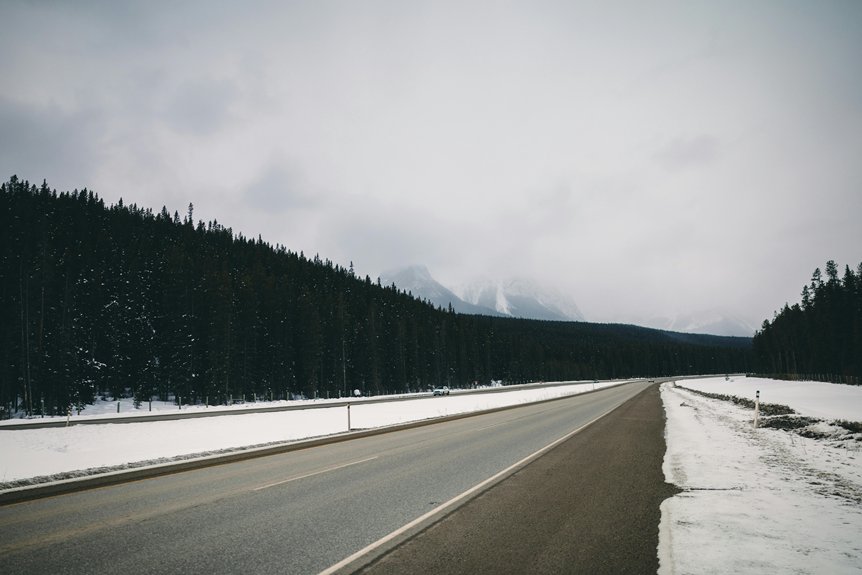
Winter camping can be magical with serene snow-covered landscapes, but you’ll need proper insulation and preparation for freezing temperatures.
Best Times to Avoid Crowds
When’s the best time to escape the crowds and enjoy nature in peace? Consider camping during the shoulder seasons—late spring and early fall. These times offer milder weather and fewer visitors, allowing you to fully immerse yourself in the serene beauty of the great outdoors.
Weekdays are also a fantastic option; most campers flock to sites on weekends, leaving tranquil spaces waiting for you from Monday to Thursday.
Additionally, avoid popular holiday weekends, as they often draw massive crowds. If you’re flexible, aim for lesser-known parks or trails, where you can find hidden gems away from the hustle.
Embrace these quieter times, and you’ll discover the true magic of camping, making lasting memories in nature’s embrace.
Family-Friendly Campsites and Their Peak Seasons
For families looking to create unforgettable memories in nature, choosing the right campsite during peak seasons can make all the difference. Popular family-friendly campsites often fill up quickly during summer months, particularly around holidays.
Aim for late spring or early fall to enjoy milder weather and vibrant landscapes while still having access to family-oriented activities like hiking and fishing. National parks and state campsites typically offer amenities like playgrounds and organized events, making them ideal for kids.
Don’t forget to check local festivals and events that coincide with your camping dates, as these can enhance your experience. By planning ahead and targeting these peak seasons, you can guarantee a fun-filled adventure that your family will cherish for years to come.
The Benefits of Off-Peak Camping
While many families flock to campsites during peak seasons, opting for off-peak camping can reveal a wealth of benefits that enhance your outdoor experience.
You’ll enjoy quieter surroundings, allowing for deeper relaxation and connection with nature. With fewer crowds, you can easily secure prime campsites and enjoy more space to explore.
Plus, the serenity often leads to better wildlife sightings, and you’ll find it easier to engage in activities like fishing or hiking without the hustle and bustle.
Off-peak camping also means lower rates, allowing you to stretch your budget further.
Embrace this opportunity to create lasting memories with your loved ones in a more tranquil atmosphere, making your adventures truly special.
Discover the freedom and joy of camping when it’s less crowded!
Planning for Wildlife and Nature Viewing Opportunities
How can you make the most of your wildlife and nature viewing opportunities while camping? Start by choosing a campsite near natural habitats—forests, lakes, or wetlands are ideal.
Research the local wildlife you’ll encounter and their active times; dawn and dusk are often best for spotting animals. Bring binoculars and a camera to capture those unforgettable moments.
Stay quiet and patient; movement and noise can scare animals away. Use apps and guides to identify birds and plants, enhancing your experience.
Remember to respect the environment and observe from a distance. By planning thoughtfully, you’ll create lasting memories and deepen your connection with nature.