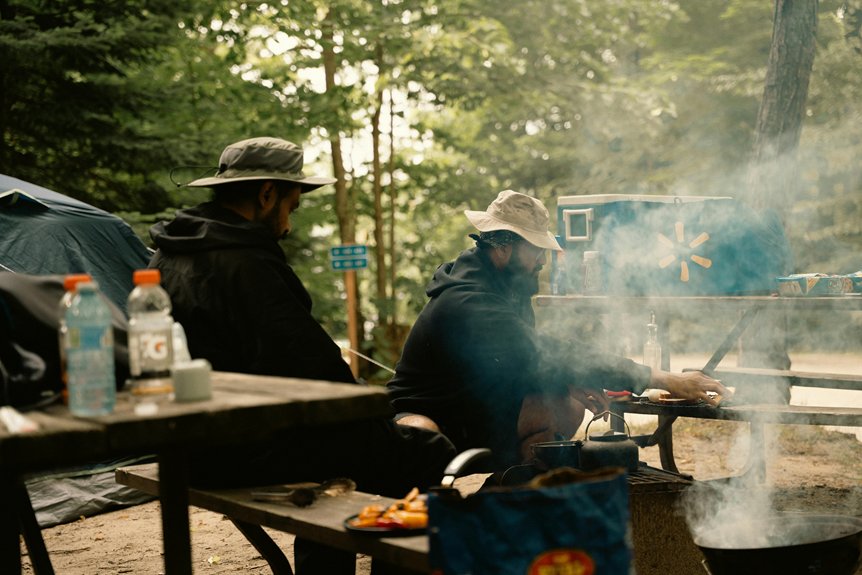
Did you know that dry camping can enhance your connection with nature by encouraging self-sufficiency? This camping style requires thoughtful planning and resource management, allowing you to immerse yourself in the outdoors without the usual amenities. But how do you guarantee comfort and safety while traversing remote areas? Understanding the essentials will set you up for a rewarding experience. Let’s explore the key elements that make dry camping both enjoyable and sustainable.
Understanding Dry Camping: What It Is and Why It Matters
When you venture into the great outdoors, understanding dry camping can enhance your experience considerably.
Dry camping, or boondocking, means camping without any hookups for water, electricity, or sewage. This method allows you to connect with nature more deeply, offering solitude and breathtaking scenery away from crowded campgrounds.
It matters because it encourages self-sufficiency; you’ll learn to manage your resources wisely, like conserving water and using solar power for lighting. This experience fosters a stronger bond with your surroundings and helps you appreciate the simplicity of outdoor life.
Plus, you’ll often discover hidden gems off the beaten path that traditional campgrounds can’t offer.
Embrace the adventure of dry camping, and you’ll find freedom in the wild.
Essential Gear for Successful Dry Camping
To guarantee a successful dry camping experience, you need the right gear tailored to your adventure. Start with a reliable water filtration system to make certain you have safe drinking water.
Portable solar chargers can keep your devices powered without relying on hookups. Invest in a high-quality cooler to keep your food fresh and beverages cold.
A sturdy tent with excellent ventilation is essential for comfort, along with a durable sleeping bag suitable for the season. Don’t forget essential cooking gear, like a portable stove and lightweight cookware.
Finally, bring a thorough first-aid kit, flashlight, and multi-tool for unexpected situations. With this gear, you’ll be well-prepared to embrace the great outdoors without missing the comforts of home.
Choosing the Right Location for Your Dry Camp
Selecting the right location for your dry camp can greatly enhance your experience, as it impacts everything from your comfort to your safety.
Start by scouting areas that offer level ground for setting up your tent or camper. Look for spots away from potential hazards like falling branches or flooding zones. Proximity to trails or scenic views can add to the joy of your trip, but make sure you’re not too close to crowded areas.
Consider the direction of the sun; morning light can warm you up, while afternoon shade can keep you cool. Additionally, check for wind protection, as strong gusts can disrupt your camp.
Ultimately, prioritize a location that balances beauty with practicality for an enjoyable dry camping experience.
Water Management: Staying Hydrated Off-Grid
Finding the perfect spot for your dry camp isn’t just about the scenery; it also sets the stage for how you’ll manage your water supply.
First, assess nearby water sources such as lakes, streams, or rivers. If you can’t find natural sources, plan on bringing enough water for drinking, cooking, and hygiene. A general rule is to allocate about one gallon per person per day.
Invest in quality water containers for easy transport and storage. Use purification methods like filters or tablets to guarantee safety if you’re sourcing from nature.
Finally, practice water conservation techniques—like taking quick showers and using biodegradable soap—to stretch your supply further. Staying hydrated off-grid requires planning, but it’s totally doable!
Power Solutions: How to Stay Charged Without Hookups
While you’re enjoying the great outdoors, staying charged without hookups can feel challenging, but it’s absolutely manageable with the right strategies.
First, consider investing in a portable solar panel. These lightweight options can efficiently recharge your batteries during sunny days.
Next, a reliable power bank is essential for charging small devices like phones and tablets. Make sure to charge it before your trip.
If you have a generator, use it sparingly to conserve fuel and reduce noise.
Finally, prioritize your power usage by turning off non-essential devices and utilizing LED lights.
Waste Management: Keeping Your Campsite Clean
Keeping your campsite clean is vital for both the environment and your enjoyment of dry camping. Start by packing out what you pack in—this means taking all your trash with you. Use designated waste disposal bags for food scraps and other refuse.
For human waste, it’s important to follow Leave No Trace principles; dig a hole at least six to eight inches deep and at least 200 feet from water sources, or use a portable toilet.
Make sure to dispose of gray water responsibly, either by using it to water plants away from your campsite or following local regulations.
Finally, always keep your cooking area tidy to prevent attracting wildlife. A clean campsite enhances your experience and protects nature for future campers.
Safety Tips for Boondocking Adventures
When you commence a boondocking adventure, prioritizing safety is essential for a worry-free experience.
First, scout your location carefully; choose spots away from hazardous terrain and check for local wildlife. Always inform someone about your plans and expected return time.
Verify your vehicle is in good condition, and carry spare tires and essential tools. Keep a well-stocked first aid kit handy, along with extra food and water to last a few days.
Invest in a reliable navigation system, as GPS can sometimes fail in remote areas.
Finally, familiarize yourself with fire safety rules and regulations.
Embracing the Experience: Enjoying Nature Without Distractions
After ensuring your safety during boondocking, it’s time to fully immerse yourself in the experience of nature. Disconnect from digital distractions and embrace the serenity around you.
Take a leisurely hike, breathe in the fresh air, and listen to the sounds of wildlife. Consider journaling your thoughts or sketching the landscapes you encounter; this can deepen your connection to your surroundings.
Bring a book, but allow yourself to occasionally gaze at the stars instead. Engage in mindful activities like cooking over a campfire or practicing photography.