The Definition of Sport
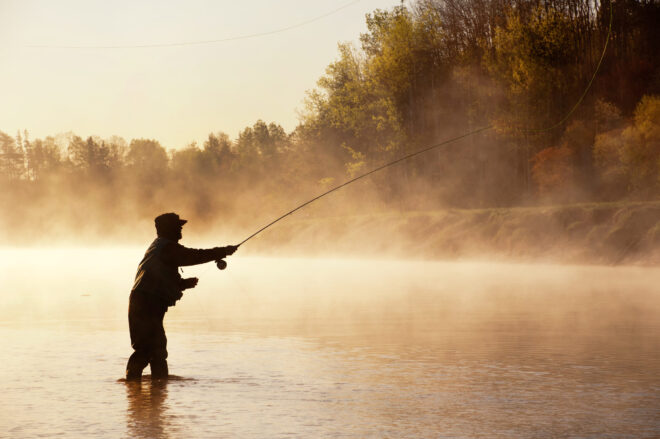
A sport typically requires physical effort, skill, and competition. Think football, tennis, or even golf. Fishing, at first glance, might seem too laid-back to fit into that category. Yet, when you consider the physical challenges of battling a trophy fish or the precision required to cast a fly in just the right spot, the lines blur.
Fishing involves a mix of endurance, technique, and knowledge of your target. If that doesn’t sound like a sport, what does?
The Competitive Angle
Competitive fishing is a thriving industry. Tournaments like the Bassmaster Classic and deep-sea fishing competitions attract anglers from all over the world. These events demand skill, preparation, and quick decision-making.
In these contests, participants race against the clock to land the biggest or most fish. There’s real pressure, high stakes, and often big rewards. It’s not just about luck—success comes from knowing your craft.
Even outside formal competition, anglers often engage in friendly rivalries. Who can land the largest fish? Who can catch the most? These challenges elevate fishing from a pastime to something much more intense.
Skill Over Luck
Some critics claim fishing is all luck. But experienced anglers know better. Success depends on an array of skills:
- Choosing the right bait or lure.
- Understanding fish behavior and migration patterns.
- Reading water conditions.
- Perfecting casting technique.
Luck might play a small role, but skill dominates the equation. The most successful anglers are those who constantly refine their methods and adapt to changing conditions.
Physical and Mental Demands
Fishing can be physically exhausting. Imagine fighting a 300-pound marlin for hours. Your arms burn, your grip tightens, and your focus sharpens. Even freshwater fishing demands endurance. Standing in a river for hours, casting repeatedly, or reeling in a big bass takes a toll.
There’s also the mental aspect. Fishing requires patience and strategy. You’re constantly analyzing the environment, adjusting your techniques, and anticipating the behavior of your quarry.
This combination of physical and mental effort is what sets fishing apart from other hobbies.
Connecting with Nature
One of the unique aspects of fishing is how it blends sport with nature. While many sports happen in stadiums or gyms, fishing takes place in rivers, lakes, and oceans. It’s not just about the catch—it’s about the experience.
Being outdoors, learning about ecosystems, and respecting wildlife are all part of the appeal. This connection to nature adds depth to fishing, making it more than a competition or a workout.
It’s Both a Sport and a Lifestyle
Fishing is a sport, no doubt about it. It meets the criteria of physical effort, skill, and competition. But it’s also more than that. It’s a way to relax, connect with the outdoors, and bond with others.
Whether you’re casting for fun or angling for a trophy, fishing is what you make of it. That’s what makes it special. It’s a sport, a passion, and for many, a way of life.