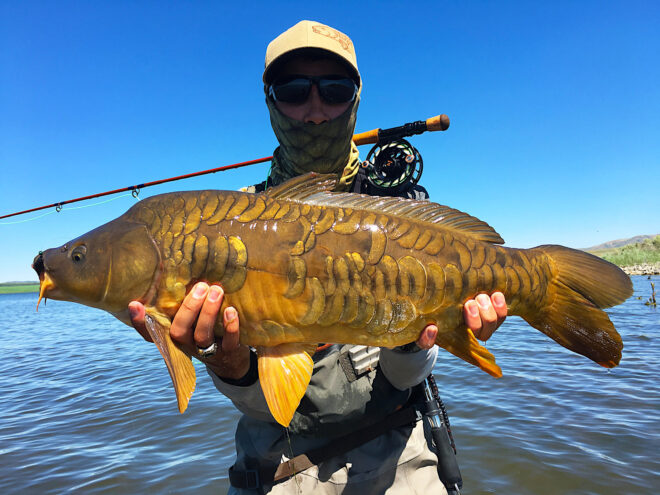
Fly fishing is more than a pastime; it’s an art form. Unlike traditional fishing, it’s all about finesse, precision, and connecting with nature. Whether you’re standing in a serene mountain stream or casting in a wide-open lake, fly fishing is an experience that blends skill with mindfulness.
The Basics of Fly Fishing
At its core, fly fishing uses an artificial fly to attract fish. These flies are lightweight and often mimic insects or other natural prey. The key difference lies in the gear. Fly rods, lines, and reels are designed to cast these light flies, relying on the line’s weight to propel the fly forward.
Unlike spin fishing, where the lure’s weight does most of the work, fly fishing demands technique. The angler must master the rhythm of casting to place the fly precisely where it needs to be.
How It Works
Fly fishing is all about imitation. The goal is to present a fly that looks as natural as possible to the fish. This involves understanding the water, the fish, and the insects they feed on.
Presentation is everything. A delicate cast and a well-chosen fly can mean the difference between a great catch and an empty net. Many anglers find this challenge to be what sets fly fishing apart.
The Gear
Fly fishing gear is specialized. A fly rod is longer and more flexible than standard fishing rods. The reel is often simple in design, used mainly to store line rather than aid in casting.
The line itself is heavy and coated, designed to carry the fly through the air. It’s paired with a leader and tippet—transparent lines that help disguise the fly from fish.
Flies: The Star of the Show
Flies come in a variety of styles, each designed for specific conditions. Dry flies float on the water’s surface, mimicking insects like mayflies or grasshoppers. Wet flies and nymphs sink, imitating underwater prey like larvae.
Streamers are larger flies that mimic small fish or leeches, appealing to predatory species. Choosing the right fly depends on the fish you’re targeting and the environment you’re fishing in.
The Appeal of Fly Fishing
For many, fly fishing is about more than catching fish. It’s about immersing yourself in the environment. The quiet rhythm of casting, the focus on the water, and the connection to nature create a unique experience.
It’s also a versatile sport. You can fly fish in freshwater or saltwater, targeting anything from trout in a mountain stream to bonefish in tropical flats.
Challenges and Rewards
Fly fishing isn’t easy. It requires patience and practice to master the casting technique and learn to “read” the water. But the effort pays off.
Each successful cast feels like a victory. Each catch, a reward for your skill and perseverance.
A Timeless Tradition
Fly fishing has been practiced for centuries. It’s a tradition passed down through generations, blending craftsmanship with passion. Today, it remains a favorite among those who value the journey as much as the destination.
Fly fishing is more than a sport. It’s a way of life for those who embrace its challenges and rewards. Whether you’re new to fishing or looking for a deeper connection to the outdoors, this method offers something truly special.