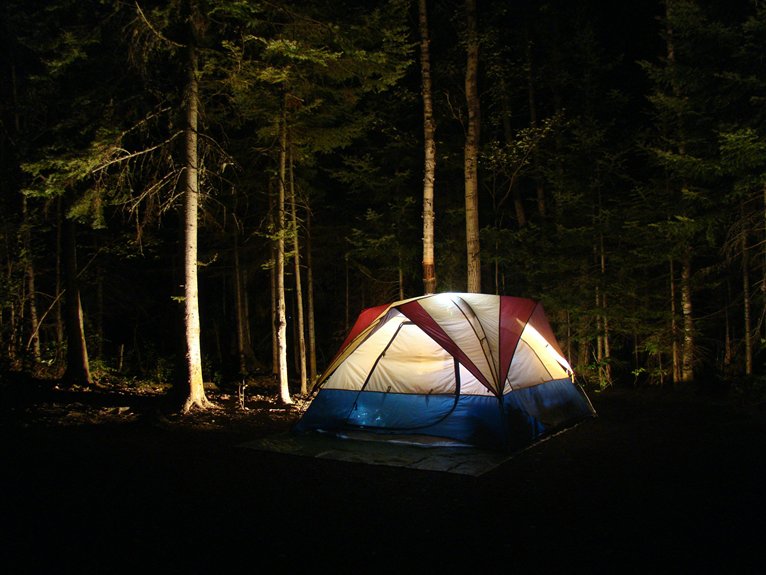
Imagine stepping off the beaten path and finding your own slice of wilderness bliss—this is dispersed camping. It’s all about choosing your spot and setting up camp outside designated campgrounds. You’ll need to pack wisely, respect nature, and keep safety in mind. There’s a sense of freedom and adventure here, but it’s not without its challenges. Ready to learn how to make your dispersed camping trip unforgettable?
Understanding the Concept of Dispersed Camping
For those who crave the thrill of the wild and the serenity of solitude, dispersed camping offers a unique escape from the confines of traditional campgrounds.
It’s about venturing out into the untamed wilderness, where the only limits are nature itself. You camp without designated sites, giving you the freedom to set up your tent in a remote spot with stunning views.
Your gear becomes essential as you rely on it to survive and thrive—think lightweight tents, portable stoves, and water filters. There’s no reliance on campground amenities; it’s just you, your equipment, and the open land.
This adventure demands respect for nature, leaving no trace behind, and embracing the raw beauty of the world around you.
Choosing the Perfect Spot for Dispersed Camping
How do you find that perfect slice of wilderness for dispersed camping? Start by researching national forests or Bureau of Land Management areas. These lands often allow dispersed camping, offering solitude and natural beauty.
Look for flat, durable ground at least 200 feet from water sources to protect them. Check local regulations and fire restrictions before heading out.
Use a map or GPS to scout a spot that’s accessible yet off the beaten path. Arrive early to secure a prime location, avoiding overcrowded weekends if possible.
Consider wind direction and natural barriers for protection. Finally, respect Leave No Trace principles, ensuring your chosen spot remains pristine for future adventurers.
With a bit of planning, you’ll find your dream campsite.
Essential Gear and Equipment for a Successful Trip
When you’re preparing for an adventure in the wild, having the right gear can make all the difference between a memorable trip and a challenging ordeal.
Start with a reliable tent that’s lightweight yet durable enough to withstand unpredictable weather. A quality sleeping bag matched to the season keeps you warm and rested.
Don’t forget a portable stove for cooking up hot meals; it’s essential for maintaining energy levels. Pack a water filtration system to guarantee you’ve always got clean water, and a headlamp for guiding through the dark.
A sturdy backpack with plenty of compartments helps keep everything organized. Finally, bring a multi-tool and a map of the area. These items guarantee you’re prepared for whatever nature throws your way.
Safety Considerations and Wildlife Awareness
Venturing into the wild not only promises adventure but demands a keen awareness of safety considerations and wildlife. Equip yourself with a reliable map and compass, as GPS devices can falter in remote areas.
Pack a well-stocked first aid kit, and always let someone know your itinerary. Be cautious of wildlife by storing food securely in bear-proof containers. Keep a safe distance from animals, and never feed them.
Carry bear spray if you’re in bear country, and know how to use it effectively. At night, make sure your camp is well-lit with headlamps and lanterns, deterring curious critters.
Familiarize yourself with local wildlife behaviors, and remain vigilant. Remember, your safety is as crucial as your sense of adventure.
Adhering to Leave No Trace Principles
While exploring nature’s untouched beauty, it’s essential to adhere to Leave No Trace principles to preserve the wilderness for future adventurers.
Start by packing the right gear to minimize your impact. Bring reusable containers, a portable stove, and biodegradable soap. Set up camp on durable surfaces like rocks or sand, avoiding fragile vegetation.
Always pack out all trash, including food scraps, to keep wildlife safe. When nature calls, dig a cathole 6-8 inches deep, at least 200 feet from water sources.
Leave what you find; let rocks and plants remain where they belong. Respect wildlife by observing from a distance and keeping noise minimal.
Tips for a Memorable Dispersed Camping Experience
Starting on a dispersed camping adventure can become an unforgettable experience with the right preparation and mindset. First, research your destination thoroughly. Know the terrain, weather conditions, and any rules or restrictions.
Pack essential gear: a reliable tent, sleeping bag, and stove. Guarantee your backpack includes a first-aid kit, navigation tools, and enough food and water. Choose durable clothing suitable for the elements.
Arrive early to secure a scenic spot away from crowds. Set up camp with a view of nature’s splendor. As night falls, stargazing becomes a magical experience far from city lights.
Embrace the solitude and listen to nature’s symphony. Capture memories with a camera, but remember to live in the moment. Most importantly, respect nature and leave no trace.